


© Copyright Bhekisisa Centre for Health Journalism | Privacy Policy | Terms and Conditions | PAIA Manual

Who should get the first doses of the twice-a-year HIV prevention jab? It could...
One in ten clinics in South Africa — across 22 health districts in six provinces — will start to hand out a twice-a-year anti-HIV jab as early as February. The country’s medicines regulator, Sahpra, says it’s on track to announce its registration decision within the next 12 days, by the end of October. So who should get LEN first?

From toilets to TB: Candice Andisiwe Sehoma’s life of activism
From discontinued insulin pens to overpriced TB drugs, meet the young South African holding drug makers to account on behalf of patients.
The six-monthly anti-HIV jab is coming. But can SA keep track of millions of...
In April next year, South Africa plans to start rolling out an anti-HIV jab, taken only twice a year, that could end Aids in the country within 14 to 18 years. But is our public health system equipped to keep track of millions, who are on the shot — and for how long they stay on it?

Meet the AI chatbot that’s talking to young South Africans about sex, HIV and...
Young women are contracting HIV faster than anyone else in South Africa, with about four out of every 10 new infections coming from just this group, even though they make up only about 8% of the total population. Here’s how an AI chatbot is trying to change that.
Health Beat #34 | South Africa’s big fat health crisis
Obesity is surging in South Africa. What’s fuelling this epidemic and how does it contribute to diabetes and heart disease, SA’s top killers?
Two drugmakers will sell the 6-monthly anti-HIV jab for the price of the daily...
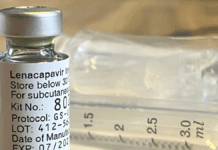
Two Indian generic drugmakers — Hetero and Dr Reddy’s — will be funded by the Gates Foundation and Unitaid, respectively, to produce and sell the twice-a-year anti-HIV shot around R692 per person per year. We break down the potential budget implications in order for lenacapavir — widely regarded as a likely gamechanger — to stop HIV in its tracks.
The falling down place
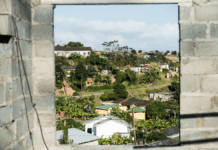
The scars left by the April 2022 flash floods aren’t obvious to visitors to this part of Inanda, the township just northwest of Durban. The earth seems to have healed itself, roads are passable and some new bridges have been reassembled. But the collective and individual trauma, often left unspoken, continues to linger.
How one op-ed sparked high-level talks at Nedlac, treasury and the presidency on cheaper...
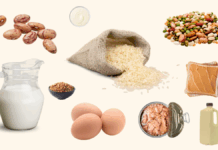
In 2023, Bhekisisa and the DG Murray Trust teamed up to publish a piece arguing if food producers and sellers work together, they could make 10 stable foods, such as maize meal and eggs cheaper. Buy-in from the government could cut costs by another fifth. Here’s how David Harrison’s op-ed sparked high-level talks at treasury, the presidency and Nedlac.

The UN had a plan to fight deadly lifestyle diseases. Industry pressure killed most...
At the United Nations General Assembly high-level meeting in New York next week, South Africa is expected to join other countries in signing a watered down declaration meant to curb diseases like diabetes, cancer and heart disease around the world. Here’s how the document changed and how it hurts public health.
‘We can’t have everything.’ What checks should SA use to rate health facilities?
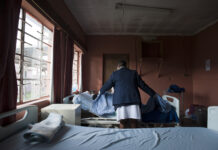
Why is it that a health facility’s service can be rated as “good” but its CEO says the day-to-day staff situation is such that it “compromises service delivery”? In our second story on what the quality of healthcare at South Africa’s public health facilities is, we take a deep dive into the data of South Africa’s health standards watchdog.
Are there HIV meds in the water? Here’s what the science says
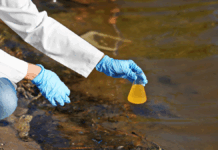
An old research report turned up in the headlines last month and left South Africans worried about our water systems. Bhekisisa joined up with Africa Check to find out how good research got misinterpreted — and to set the record straight on what the research actually says.

How ‘churnalism’ fuelled misinformation about HIV medication in South Africa’s water system
“Dangerous.” “Concerning.” These were some of the headlines splashed across recent South African media coverage of years-old research. But the reporting skipped key details. Whether you’re reading or writing the news, here’s how to avoid “churnalism”.

How SA influencers help the tobacco industry to spread confusing messages
Sbusiso Leope, better known as DJ Sbu, is part of a social media campaign that’s been pushing back on parts of the tobacco Bill that is in front of Parliament. He’s just one of many influencers who say they are defending informal traders, but public health advocates and researchers warn this selective, emotive picture is one often presented by the tobacco industry.
Tickbox consultations without truly listening won’t save the NHI. Changing governance structures may
If the government is serious about building trust in the health sector, it must start by fixing the way the National Health Insurance (NHI) will be governed. Adjusting the scheme’s governance framework would show that leaders are not only hearing, but acting on the loudest demand to come out of the country’s first national convention in August: better governance and real accountability.
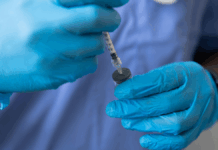
SA plans anti-HIV jab roll-out at 300+ clinics by April. By 2027 the government...
The health department plans to make the twice-a-year anti-HIV jab, lenacapavir, available at more than 300 government health districts with high HIV infection rates between April 2026 and March 2028. By April 2027, the department anticipates that it could start to use government money to buy cheaper generics.
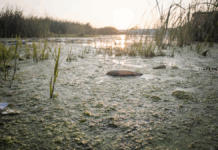
There’s something in the water. Khayelitsha’s kids want you to see it
When a group of learners headed out with their cameras to document infectious disease in the time of climate change, many came back with what they see every day. Dangerous, dirty, stagnant pools of water.