


© Copyright Bhekisisa Centre for Health Journalism | Privacy Policy | Terms and Conditions | PAIA Manual
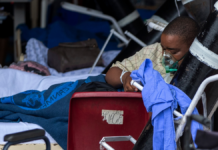
Hotter days, sicker lungs: The climate change story hiding in your lungs
As South Africa's climate warms, the air is changing — and the effects are landing directly in people's lungs. Here's what reporters need to know.

Climate science needs to be at the top of the media agenda. Here’s what...
Reporters Qaanitah Hunter and Estelle Ellis offer five tips on how researchers can break into the headlines, fight misinformation and make their science count where it matters most.
Superbugs + climate change = double trouble. Here’s why
Superbugs are a big public health issue. So is climate change. Put the two together and the problem becomes even bigger. Here are 11 questions and answers that make it easy to understand why.

How ‘churnalism’ fuelled misinformation about HIV medication in South Africa’s water system
“Dangerous.” “Concerning.” These were some of the headlines splashed across recent South African media coverage of years-old research. But the reporting skipped key details. Whether you’re reading or writing the news, here’s how to avoid “churnalism”.
The jabs that could save us — an introduction to COVID vaccines for journos
We co-hosted an online course on COVID vaccine science for journalists. The course content was conceptualised by Bhekisisa and the Centre for Evidence-based Health Care...

Five tips for reporting on medical negligence – without getting into legal trouble yourself
Between understanding medical terminology and decoding legal documents, reporting on negligence cases can be complicated. A media lawyer shares her expert tips for journalists.

Reporters, are you ok? If you’re feeling traumatised, you’re not alone
Journalists have immersed themselves in the COVID-19 story for months. But at what cost to their mental health? A recent study found that three quarters of reporters surveyed felt significant emotional distress.

How to be a health reporter: Asking the right questions of research
Cochrane South Africa and the Medical Research Council explain how research studies are designed and which are best to use in your reporting.
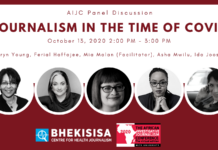
‘The toughest story I’ve covered’: How COVID-19 changed journalism
Three journalists and a scientist unpack how the coronavirus pandemic changed their jobs and the news landscape. Watch the discussion here.

Vaccines, mutations and data: Reporters, all your COVID-19 questions answered
Cochrane South Africa answers health reporters’ COVID questions in the fourth installment of their evidence-informed health media reporting webinar series.

Seeing the forest for the trees with Cochrane South Africa: Forest plots and systematic...
A gentle introduction to forest plots and systematic reviews. Courtesy of Cochrane South Africa and the South African Medical Research Council.
Want to do a crash course in epidemiology? Here you go
Recordings and slides from the epidemiology 101 course for Africa-based journalists — Tools to navigate medical research and critically report on COVID-19.

Struggling with reporting on COVID-19? This free course will help
Epidemiology 101 is a tailor-made course for journalists presented by world-renowned epidemiologists and scientists.

Here’s a really great way to find the studies you’re looking for
Finding it hard to narrow down searches for journal studies you’d like to reference in your stories? Our friends from Cochrane South Africa and the South African Medical Research Council taught us how to use the PICO method.