


© Copyright Bhekisisa Centre for Health Journalism | Privacy Policy | Terms and Conditions | PAIA Manual

[WATCH] Why these three women use the anti-HIV pill and vaginal ring
Around 500 people in South Africa get infected with HIV each day. A number that Mbali Jonas from the Desmond Tutu Health Foundation wants to reduce to zero. They’re doing this by telling youth about medications that can stop HIV infection. We take you to their communities and show you how they work.

Heating up: Here’s how climate change works
Too much greenhouse gases going into the air from burning coal, oil and gas make the atmosphere warmer than it should be. This causes global weather patterns to change, aka climate change. Watch this animation to learn more.

‘The future is frightening.’ Why climate change makes young people think twice about having...
The climate crisis is bad for people’s mental health — and it’s taken increasingly seriously at this year’s conference of the parties, COP28. In this interview from Health Beat, Bhekisisa’s monthly TV show, South African climate justice activist, Kumi Naidoo, explains what climate anxiety is — and what we can do about it.

#COP28: The spread of HIV has slowed down over the past 30 years. Will...
Experts at COP28 have warned that the climate crisis threatens to put us back in the fight against HIV. Floods and droughts will make it harder to adhere to daily treatment and to access HIV prevention medication, and will increase the demand for transactional sex.

Why climate change makes pollution and lung diseases worse
Dirty air makes it hard to breathe. Add hotter days or extreme cold into the mix and it will become harder still, especially for people who already have lung problems. In the latest episode of Health Beat, Mia Malan spoke to Caradee Wright, a public health specialist at the Medical Research Council, about what climate change will mean for people who already struggle to breathe, and what can be done about it.

[WATCH] Why a hotter Earth makes dirty air more dangerous
Doctors have told Khehla Mahlangu and Jeremiah Maseko that their lungs are no good. They’ve lived and worked in Secunda in Mpumalanga for many years, where factories have dirtied the air. And now climate change is worsening things.
Should nurses be allowed to hand out psychiatric drugs?
People with HIV have a big chance of battling with mental health problems. At the moment though, only doctors can prescribe psychiatric medicines. Could getting nurses to do this too help people with HIV to stay on their treatment, and so get infection rates down? Mia Malan finds out from a doctor who’s lived through HIV with his patients for the past 20 years.

What HIV does to your brain — and how ARVs halt that
Left untreated, an HIV infection can cause inflammation in someone’s brain and lead to mental health problems. But antiretrovirals can stop it from happening. Mia Malan finds out how it works in this Health Beat interview.

[WATCH] Yvette Raphael’s incredible journey of two decades with HIV
South Africa’s HIV plan says nurses, not just doctors, should be able to prescribe antidepressants. HIV-positive people struggle with their mental health more than those without the virus. But is this plan enough to help them stick to their daily pill regimens? This activist says no. Watch her story to find out why.

[WATCH] How anti-cervical cancer jabs work
Most cervical cancer cases are caused by the human papillomavirus (HPV), which spreads through sex. Anti-HPV injections have been around since 2006 and getting the jab as a teenager can stop cervical cancer in about nine out of 10 women later in life. We break down how they work, what they cost and why they save lives.

[WATCH] This nurse wants to stop cervical cancer in Hammanskraal
Nurse Tebogo Seleka does about 100 cervical cancer tests a month. One in ten patients test positive. This could be avoided if they were vaccinated against the human papillomavirus which causes this cancer. Our TV team travels to Hammanskraal near Tshwane to find out how Seleka is using jabs to stop cervical cancer in her community.
Why so many government patients get cervical cancer — and what to do about...
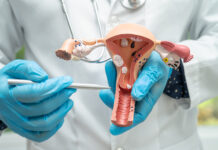
Thousands of South African women die of cervical cancer, caused by the human papillomavirus, every year. But it needn’t be so: it’s preventable and treatable — if caught early enough. Gynaecologic oncologist Langanani Mbodi explains to Mia Malan what can be done to help government patients.

Why your toilet water is turned into drinking water — and which provinces get...
Is the water in your tap safe? What about cleaning that in storage tanks? In this Health Beat interview, Mia Malan speaks to environmental scientist Ayesha Laher about the state of South Africa’s water systems, how you can test your water for germs and what you should do if your water isn’t clean.

[WATCH] How Tshwane’s water is cleaned
How much water is in 16 Olympic-sized swimming pools? The same volume as what runs through Tshwane’s Rietvlei water treatment plant’s processes before it reaches household taps. Eunice Mokoena, a lead engineer at the facility, takes you on a tour via our TV team.

‘It’s bleak’: What a future with dirty water looks like
As extreme weather events such as storms and floods linked to climate change disrupt water and sanitation systems, we can expect to see diseases like cholera, which spread through dirty water, pop up more often — and affect more people. In this interview for Bhekisisa’s monthly TV show, Health Beat, Mia Malan spoke to infectious diseases expert Tom Boyles about the link between climate change and disease outbreaks.

[VIDEO] Why this community is fed up with pollution in the Vaal River
The Emfuleni local municipality needs over R600-million to fix its broken wastewater plants. An activist in one township worries that cholera may spread because people can’t afford the soap needed to stay safe. In this Health Beat episode, we take you to Bophelong, a township south of Johannesburg, and show you what dirty water does to people's health.